Build MVP's in weeks not months using Cursor and AI
75% reduction in time to market? Yes please! This is how to get it done

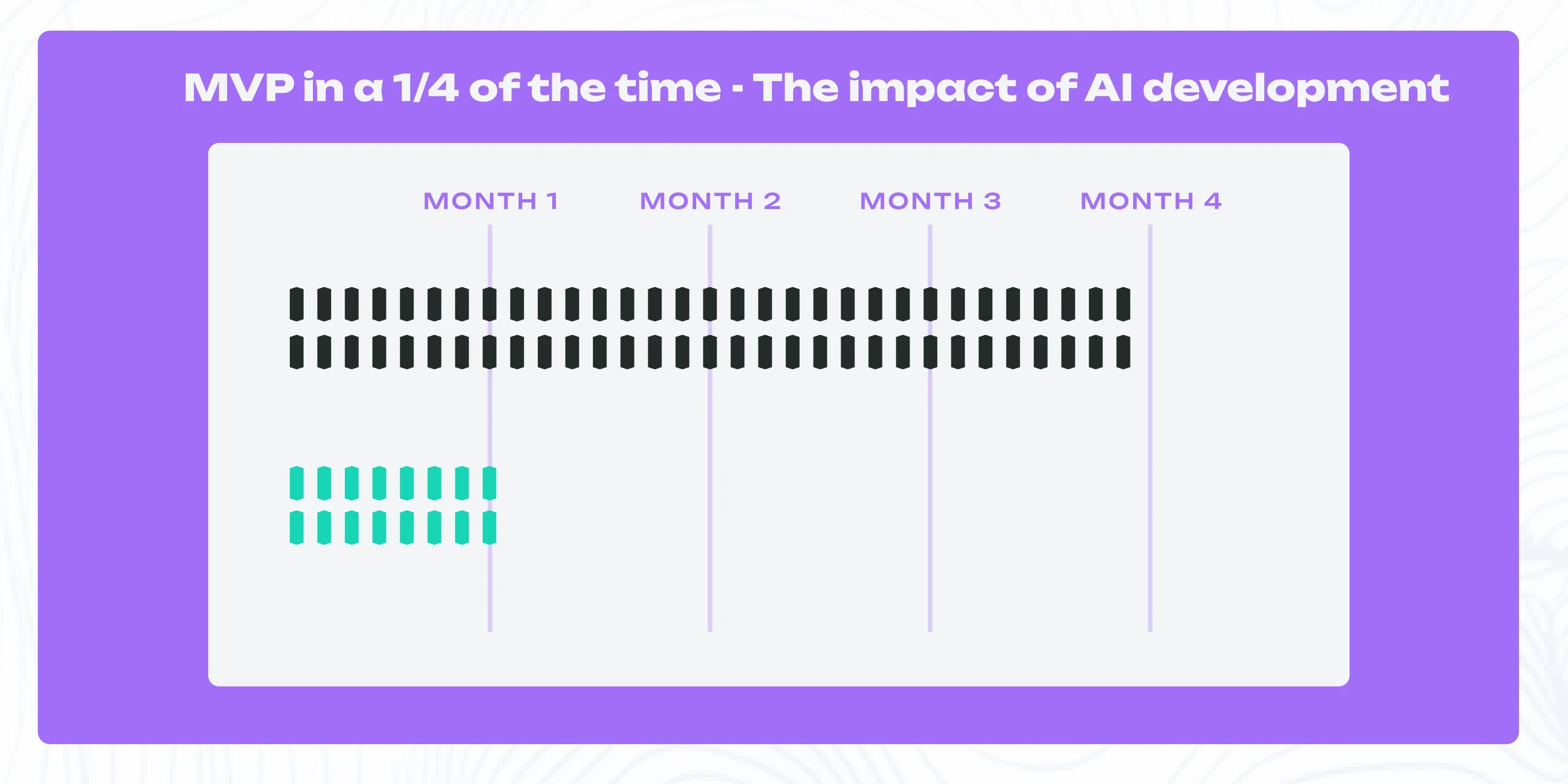
Traditional estimate: 4 months - Actual delivery: 4 weeks
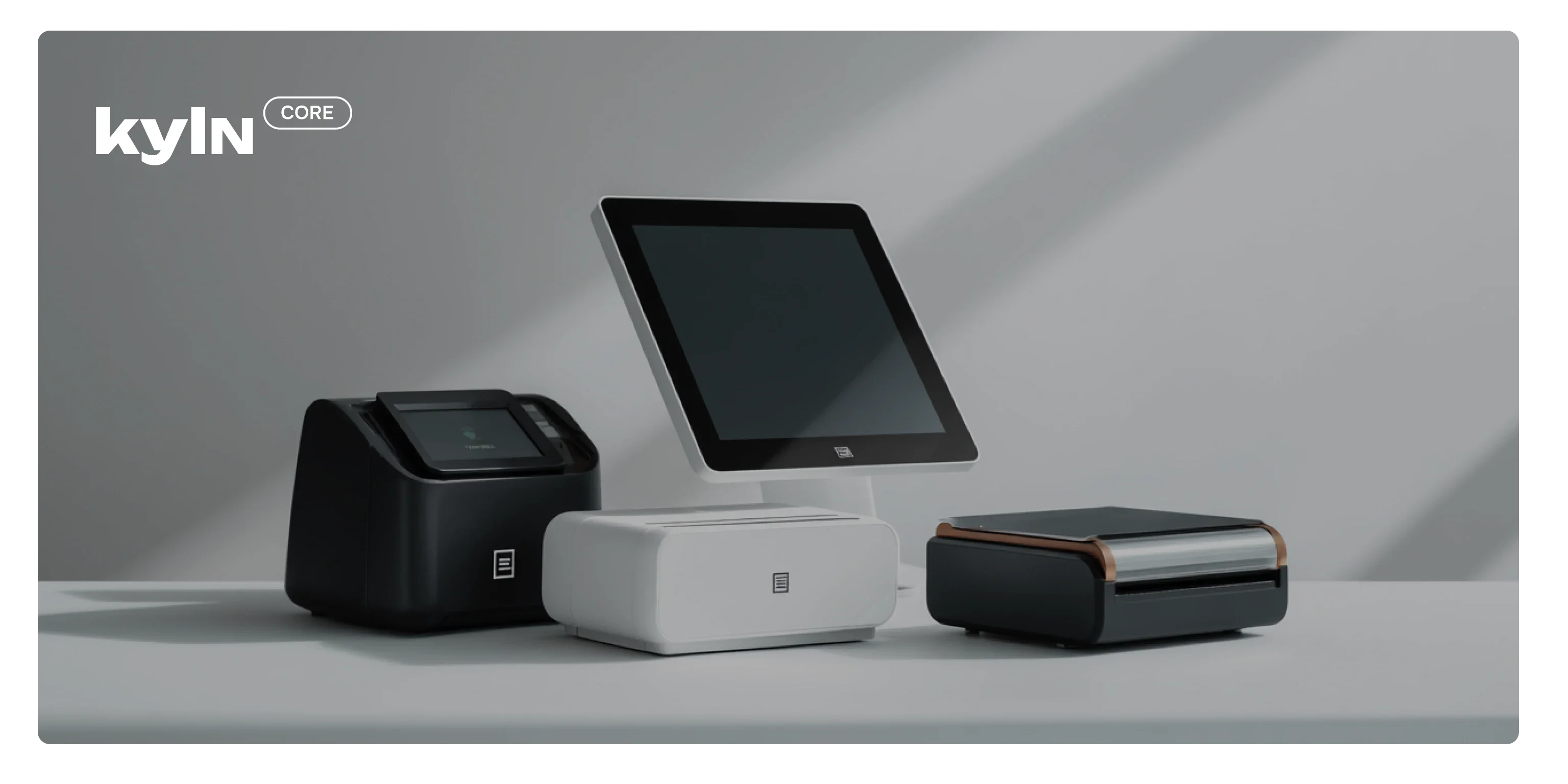
Our client needed a full-featured Point of Sale application built as an on-device app using React-Electron. The system required everything you'd expect from a modern POS: transaction processing, payment terminal integration, receipt printing, email functionality, and seamless API middleware connections.
Our top React Architect did an estimation based on traditional coding and assumed this at 4 months of development time. The client needed to move faster—they wanted to test their concept with real users and iterate based on market feedback, not wait a third of a year to see if their idea had legs.
We proposed a different approach: AI-first development. Instead of traditional coding.
Spoiler Alert: Halfway through development, the client changed their mind—switching from Windows to Android. In traditional development, this would have triggered a complete rewrite and months of delays. With AI-assisted development, it was a manageable adjustment.
Strategic Architecture: Building for AI Success
We structured the project with AI development in mind from day one, using a tech stack specifically chosen for optimal AI assistance: React, Tailwind CSS, and ShadCN components. These technologies have exceptional documentation and AI-friendly architectures that consistently produce better results than other frameworks.
Here's how the 4-week timeline broke down:
Week 1: Setup and Foundations
We established the project architecture, development environment, and core infrastructure. Two AI-assisted developers worked to create the foundational structure that everything else would build upon.
Week 2: Prototype to Production
The client created the first mockups using Figma Make - an AI tool that generates functional website prototypes.
Our developers transformed this AI-generated prototype into a unified, bare-bones application with full functionality. This is what Figma Make, Base44 and other prompt to code services lack. They cannot connect to existing workflows, APIs or processes. This is where AI developers are needed to convert a mockup into a working MVP. By the end of week two, we had a working app that matched the original vision.
Week 3: Backend Integration
With the frontend functioning, we connected the application to the real API middleware. This phase focused on data flow, state management, and ensuring the app could communicate effectively with backend systems.
Week 4: Production Features
The final week brought everything together: payment terminal integration via Adyen, receipt printing functionality, and email systems. By the end of this week, we had a production-ready MVP.
Why AI Assisted Development Works?
This wasn't about typing prompts into ChatGPT and hoping for the best. Several factors contributed to our success:
we used the top AI tools - Cursor and Claude, to build the app - Claude consistently produces more reliable code than GPT models for complex development tasks.
we used Bug Bot to review our code - AI reviewed every commit, catching issues before they reached human review. This maintained quality while moving fast.
we utilised the full potential of context engineering - Basic prompting gives AI about 24% of the context it needs. Our framework significantly improves this, resulting in more accurate code generation
Two experienced developers guided the AI tools throughout the process. They knew when to let AI generate code, when to intervene manually, and how to structure prompts for optimal results. Working with AI isn't about replacement—it's about cooperation between human expertise and AI capabilities.
Project highlights
4 weeks to working MVP (vs 4-month estimate)
Platform pivot handled mid-development
2x feature expansion within original timeline
Full UI redesign added without timeline impact
~60% cost savings vs traditional development
The Business Impact
Delivering in 4 weeks instead of 4 months created multiple advantages for our client:
Faster Time to Market: The client could test their concept with real users three months earlier than expected, gathering feedback and validating assumptions while competitors were still planning.
Reduced Initial Investment: Less development time meant lower costs to reach the validation stage. If the concept needed pivoting based on user feedback, they hadn't invested 4 months in the wrong direction.
Competitive Advantage: In fast-moving markets, being first matters. Our client gained a significant head start on potential competitors who were following traditional development timelines.
More Time for Iteration: With the MVP completed in week 4, the remaining time in the original 4-month estimate became available for improvements, feature additions, and refinements based on real user data.
Was this all so simple and straight forward?
Not exactly.
We need to be honest: AI didn't magically write perfect code from single prompts. Some days, the AI delivered exactly what we needed. Other days, we spent time refining prompts, correcting mistakes, and occasionally writing code manually when AI struggled with specific challenges.
Another thing to mention is that the client started expanding on the feature set (as usual). The scope of the MVP shifted over time. While we truly were able to build a working, bare-bones system, fully connected to the backend and external devices, the development was far from over.
Switching to Android mid-development wasn't a drawback
Yes!
Our client also decided to switch from a web-based Electron setup on Windows devices to Android on dedicated POS devices. In the era before AI, this would have been a catastrophic turn of events. The entire stack would have changed, the estimates no longer made sense, rewrite everything from scratch!
Luckily for us, we had AI, but also Capacitor, a friendly wrapper for web apps that builds for Android devices.
At this point the client was also ready for a proper UI design of the app. In traditional software development this would have meant additional months of UI work.
All in all, including the change of tech stack, UI designs and a couple additional features we still managed to deliver a working, testable and releasable app in the original 4 month scope, but with 2 or 3 times more functionality and a beautiful UI which was not planned in the original estimations.
Ready to Move Faster?
We've proven that AI-assisted development can dramatically reduce time to market without sacrificing quality. If you're sitting on an idea that traditional estimates say will take months, it might be time to reconsider those timelines.
The question isn't whether AI can help your development process—it's whether you're ready to work differently to gain a competitive advantage.
Want to explore how AI-assisted development could accelerate your next project? Let's talk about what's possible when you combine experienced developers with the right AI tools.